
HARARE (April 15, 2023) – In Zimbabwe’s 43rd anniversary we as a people should by now have embraced our own deeply ingrained culture of peace, tolerance, respect for self and for one another, reflected in our beliefs and principles embodied in uBuntu, where solution-based conversations, are conducted with evidence and the word of each is rooted in on universal principles in the context of restoration of dignities, fairness to all, and respect of all as one human family, good governance, Ubuntu as espoused in the ethos of the liberation struggle.
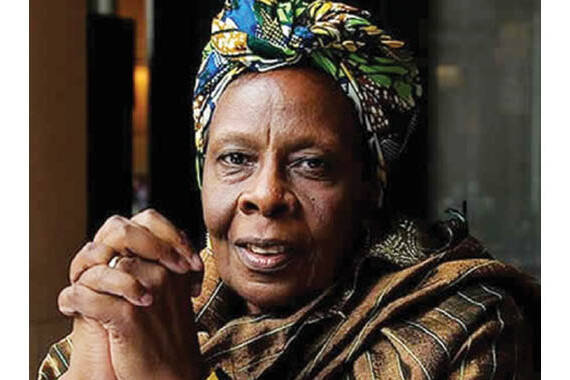
In her Independence message, Zimbabwe Peacebuilding Initiative (ZimPI) chairperson Senator Sekai Holland notes with concern that the current dialogue on social and mainstream media is generally toxic, some of it bordering on hate speech.
“Our focus as Zimbabweans should be to consolidate the gains of the liberation movements – and the sharing of the enormous resources by all, as was the objective of the war. Our current long standing polarisation, holds us open to exploitation by everyone who comes here because we give them ground to do so through the manner in which we relate to one another and to foreigners.
“No one loves Zimbabwe more than the other. We all love Zimbabwe. Love conquers all. So why are we still failing to use the instruments that are in plain sight of negotiation to resolve our challenges? Why do we use hate, a foreign tool, to attack each other much to the detriment of our country?
Our homework is to hold solution based conversations to interrogate those questions, says Sen Holland. It is time we start reviewing why are still failing to use the tools that are in full sight and use daily to initiate solution based conversations for building a better and more prosperous nation.
“Our totems bind us to one source, which we found there – Unkulunkulu, Mwari, the Almighty, The history of Africa has been about change. Zimbabwe has all the tools they need to take the country forward together as one society as one people.
“As ZimPI, we urge Zimbabweans to engage in solution-based conversations. It is time to find each other in our conversations. It is time to engage each other. It is time to build peace. Build a prosperous country that we can all be proud of,” says Sen. Holland.
Zimbabwe has a rich history of peaceful co-existence and resolving difficult situations through solution-based conversations. Wars from pre-colonial times, First and Second Chimurenga, the Unity Accord and Global Peace Agreement which ushered the Inclusive Government are examples of solution based conversations as instruments of taking the country forward.
Zimbabweans have so many subjects they agree on and can take advantage of such conversations to take the country and society forward.
The things that Zimbabweans share to form the basis of solution-based conversation spaces include, a rich cultural heritage, music, arts and crafts, excellent weather, a rich history of living together, weather, wildlife, pristine landscapes and mountains, rivers, natural attractions, natural and man-made heritage sites among others.
Sen Holland urges Zimbabweans to unite around the President’s messages of unity and peaceful coexistence, development and hold him to account through solution-based conversations.
“Let us build strong institutions together within families, within grassroots communities and within governance institutions to drive the country forward. But we have to do this with respect. The government, ruling party, opposition political parties, civil society and other stakeholders are duty bound to engage each other in a candid manner, but with respect in the quest for a better Zimbabwe,” Sen Holland says.
She adds that this can only be achieved by stopping rumour-based communication, misinformation and falsehoods in favour of conversations rooted in evidence for the purposes of finding lasting and durable peace.
ZimPI is a civil society organisation that seeks to consolidate the peacebuilding gains made during the Inclusive Government through the three instruments – JOMIC, ONRI and COPAC – mainstreaming peace with justice, reconciliation and healing in inclusive grassroots sustainable development programmes focusing on children, women, youths, the marginalised and vulnerable, who speak but are not heard.